Introduction
In a world saturated with images, the act of recording a moment can typically feel mechanical, devoid of deeper significance. This is where contemplative photography comes into play, inviting practitioners to pause, show, and engage with their environments more mindfully. The Value of Intention in Contemplative Photography Practices can not be overstated; it sets the stage for producing powerful visual stories that resonate on a personal level. This article will explore the elaborate relationship in between intention and photography, focusing on different styles such as fine art photography, self-portrait photography, and the enchanting world of aesthetic images.
What is Reflective Photography?
Contemplative photography is not simply about snapping pictures; it's an art type that encourages photographers to cultivate a sense of awareness and existence. By focusing on mindful observation, professional photographers can better get in touch with their topics, resulting in images that convey feeling and depth.
The Essence of Mindfulness in Photography
Mindfulness plays a vital role in contemplative photography practices. When photographers immerse themselves in their environment, they end up being more attuned to the subtleties around them-- light patterns, textures, and even short lived emotions. This heightened awareness enables them to record minutes that might otherwise go unnoticed.
Historical Context: The Advancement of Reflective Photography
While contemplative photography has actually gained appeal recently, its roots stretch back through art history. Influential artists like Edward Weston and Minor White embraced comparable viewpoints long before the term ended up being mainstream. Their works act as powerful tips of how intention shapes photographic expression.
The Value of Intent in Contemplative Photography Practices
At its core, the value of objective in contemplative photography practices lies in fostering imagination and authenticity. When photographers approach their craft with clear objectives-- whether looking for self-discovery or emotional connection-- they develop opportunities for profound creative expression.
Setting Intents: A Guide for Photographers
Setting intents involves more than just choosing what to photograph; it encompasses comprehending why one wishes to catch particular moments. Here's how you can set reliable intents:
Identify Your Purpose: Are you intending to convey emotion or tell a story? Knowing your function assists assist your creative choices. Reflect on Your Values: Consider what styles resonate with you personally (e.g., nature, identity). Engage in Self-Inquiry: Ask yourself questions like "What do I want my audience to feel?" or "How does this photo connect to my own journey?"Creating Space for Reflection
Before embarking on a photographic endeavor, require time for reflection. Journaling or meditative practices can assist clarify your intentions and prepare your mind for creativity.
Techniques for Enhancing Intention
Once objectives are set, numerous techniques can even more enhance contemplative photography http://echoedthoughts696.wpsuo.com/the-role-of-natural-light-in-showcasing-your-wall-art practices.
Embracing Slow Photography
In contrast to hectic digital environments, sluggish photography stresses patience and deliberation. By taking time to make up shots attentively-- rather than rushing through-- photographers can deepen their connection with both subject and medium.
Utilizing Natural Light
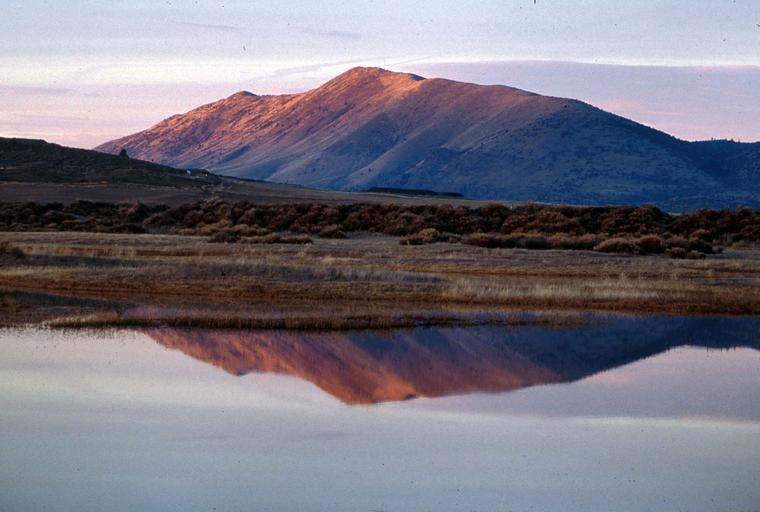
Natural light works as an effective tool in visual storytelling. Understanding how various lighting conditions impact mood can assist convey particular feelings within your photographs.
Experimenting with Composition
Composition is essential when crafting aesthetically pleasing images. Techniques such as the rule of thirds or leading lines can direct viewers' eyes while lining up with your intentional vision.
Exploring Different Aesthetic Styles
Photography encompasses different aesthetic styles that elevate the viewer's experience beyond simple visuals.
Fine Art Photography: Beyond Documentation
Fine art photography goes beyond conventional documents methods by infusing elements of individual expression into each image. With an emphasis on imagination over factual representation, fine art professional photographers often explore intricate themes such as identity and existence.
Characteristics of Art Photography
- Conceptual Depth: Each piece invites viewers into much deeper contemplation. Subjectivity: Reflects personal interpretations rather than objective realities.
Aesthetic Self-Portrait Photography: Capturing Identity
Self-portraiture enables people to explore their identities through visual storytelling. In aesthetic self-portrait photography, every information-- from lighting choices to wardrobe choices-- shows intentionality behind the lens.
The Function of Faceless Self-Portraits
Faceless self-portraits challenge conventional identity representations by focusing solely on emotion rather than facial features. These images leave analysis open-ended while stimulating sensations from audiences based exclusively on context clues present within each frame.

Crafting Aesthetic Photos to Print: Techniques & & Tips
Creating prints from your photographs includes another layer of artistry! Here are ways to ensure these prints maintain their aesthetic appeal:
Choose Quality Paper: Invest in archival-quality papers that highlight colors vividly. Consider Size & Format: Larger prints make bolder statements; smaller formats may stimulate intimacy. Experiment with Frames: Choosing frames boosts overall presentation while looping thematic elements within your work.Vintage Aesthetic Photography: A Classic Charm
Vintage aesthetic photography integrates classic aspects that carry viewers back through time-- a design often identified by its unique color schemes and rough textures reminiscent of old movie captures.
Techniques for Accomplishing Vintage Effects
- Use Filters & Presets: Software application tools permit professional photographers to duplicate classic appearances digitally. Explore Movie Cameras: Shooting on actual movie provides genuine texture lacking from digital formats.
Empowering Through Quiet Photos Aesthetic
Quiet photos provoke thoughtful reflection among audiences instead of frustrating them with stimuli-- perfectly aligning with reflective practices!
Why Pick Peaceful Imagery?
Quiet imagery cultivates an atmosphere conducive to self-questioning; it invites viewers into stillness-- a vital aspect frequently missing out on amidst modern chaos!
How To Self-Portrait Photography Like An Artist
Self-portraiture isn't practically pointing a cam at oneself; it's an opportunity for genuine expression! Here are pointers changing regular selfies into remarkable pieces:
Find Meaningful Locations: Select environments resonating personally-- each backdrop informs part of your story! Play With Angles: Experimentation yields distinct point of views-- do not hesitate!Self-Portrait Photography Significance Explained
The significance behind self-portrait pictures differs commonly among artists however normally embodies styles related closely tied identity exploration-- embracing uniqueness in the middle of social expectations!
FAQs About Contemplative Photography Practices
1. What is contemplative photography?
Contemplative photography involves mindful observation where photographers engage deeply with subjects rather than merely catching images mechanically.
2. How does intent effect photographic practice?
Intention guides creativity by influencing decisions made throughout shooting procedures while making sure credibility remains intact throughout last representations produced visually!
3. Can anybody practice contemplative photography?
Absolutely! Anyone ready to embrace mindfulness alongside expedition within their surroundings holds prospective success practicing this type effectively!
4. What methods enhance my pictures'intentionality?
Techniques include utilizing natural light creatively composing shots attentively accepting slow-photography methods ultimately improving visual narratives recorded through lenses employed!
5. Is there a difference between fine art & commercial style?
Yes! Art focuses mostly upon subjective expression whereas commercial designs intend towards marketing functions driven by client needs rather highlighting creative stability itself first!
6. How do I ensure my self-portraits communicate authenticity?
To attain authenticity think about integrating meaningful backgrounds experimenting angles staying open-minded throughout process permitting real feelings shine through regularly displayed within captured frames provided afterward!
Conclusion
In conclusion, understanding the value of objective in contemplative photography practices elevates this artistic venture from mere picture-taking into profound experiences improved by mindfulness engagement cultivated gradually spent showing actively upon life's complexities unfolding daily around us! Welcome these concepts totally-- as they'll undoubtedly enhance not only technical skills but also personal connections forged along innovative journeys traveled constantly ahead filled boundlessly possibilities awaiting discovery waiting patiently just beyond horizon line beckoning travelers forth excitedly checking out realms creativity knows no bounds whatsoever!